Floral Corners: A Designer’s Review
As an embroidery designer who spends countless hours digitizing and testing patterns, I approach every new download with a critical eye. We all know the struggle of finding designs that are not only visually stunning but also technically sound for real-world production. Recently, I explored Floral Corners on Creative Fabrica, looking for versatile elements to elevate my upcoming spring collection. These adorable embroidery designs promise to give fabrics an extraordinary look, specifically targeting areas that need a subtle yet sophisticated accent. After reviewing the files and considering their application in my workshop, I want to share an honest evaluation of how these borders perform in actual commercial and personal projects.
First Impressions and Visual Appeal
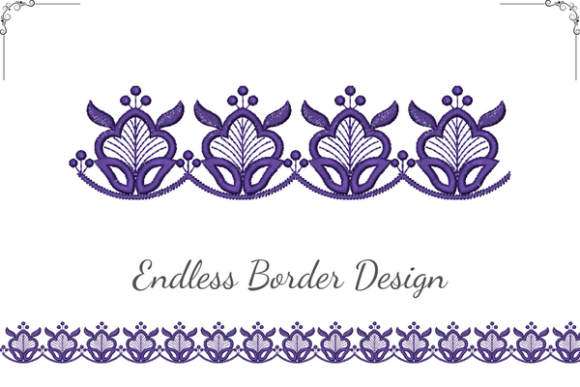
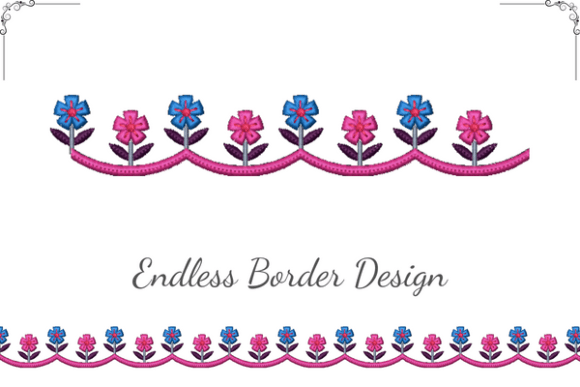
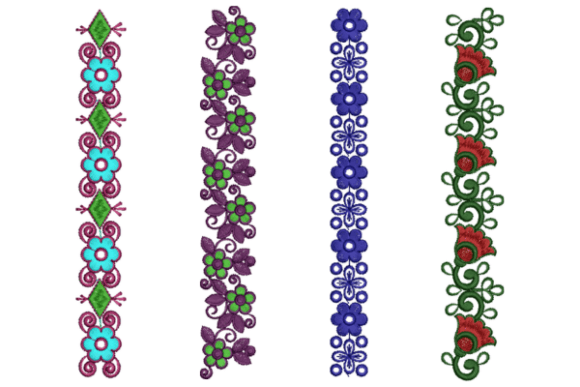
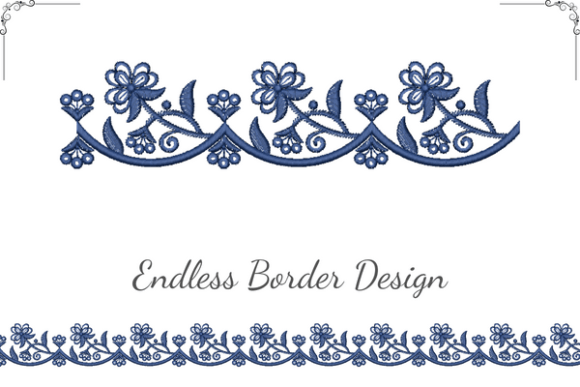
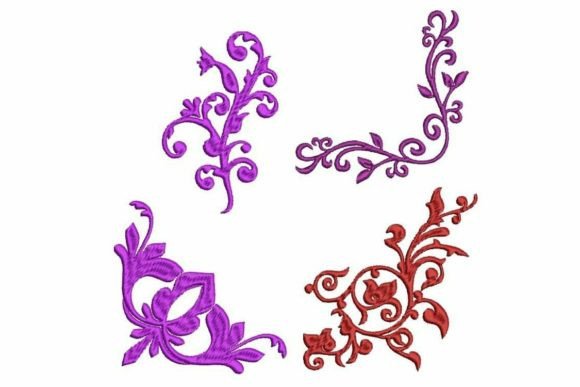
The immediate standout feature of Floral Corners is its delicate aesthetic. Unlike heavy, dense motifs that can overpower a garment, these designs offer a light, airy feel that complements rather than dominates the fabric. The visual mood is romantic and organic, making it an excellent choice for customers seeking a handmade, boutique quality. When I opened the preview files, I noticed the intricate detailing in the petals and leaves. This level of complexity suggests a high-quality digitization process, where the flow of the stitches follows the natural growth patterns of the flora.
For embroidery designers and crafters, the "corner" format is particularly strategic. It allows for easy placement on items where edge decoration is desired without covering the entire surface area. This makes the design incredibly versatile for napkins, table runners, and even apparel hems. The decorative appeal lies in its ability to frame a space, drawing the eye inward while adding a touch of elegance to the periphery.
Practical Applications for Handmade Products
When considering whether a digital embroidery file is worth the investment, I always ask: "Where will this sell?" Floral Corners shines in several key categories for Etsy sellers and small business owners. Here is how I envision using these designs in real customer orders:
- Kitchen Linens: The description mentions napkins and table runners, and this is indeed the most natural fit. Embroidering these floral accents on linen or cotton blends creates a high-end look that appeals to buyers hosting dinner parties or seeking wedding gifts.
- Custom Apparel: Placing these corners on the hem of a sweatshirt or the cuff of a sleeve adds a unique twist to standard custom apparel. It breaks away from the typical center-chest logo placement, offering a more fashion-forward silhouette.
- Tote Bag Design: A tote bag often has large, empty spaces. Using a floral corner at the bottom right or left anchor point provides balance without requiring a massive amount of thread or time.
- Nursery Decor and Baby Items: The soft, intricate nature of the flowers makes them suitable for baby blankets and pillow covers, provided the stitch density is appropriate for sensitive skin.
- Embroidered Patches: These designs can be stitched out on stabilizer alone to create iron-on patches, which can then be applied to caps, denim jackets, or canvas bags.
For creative entrepreneurs, this versatility means one purchase can generate multiple product lines. Whether you are creating seasonal handmade gifts or year-round boutique merchandise, the adaptability of these borders is a significant asset.
Technical Performance and Stitching Considerations
While the visual preview is promising, the true test of any machine embroidery design is how it stitches out. Since specific technical details like stitch count and exact hoop size requirements are not explicitly detailed in the brief product description, I advise readers to check the product details on the Creative Fabrica page before purchasing. However, based on the visual complexity, here are some practical notes for execution.
Stitch Density and Fabric Choice: Intricate floral designs often rely on a mix of satin stitch for outlines and fill stitch for petals. If the density is too high, it can cause puckering on lightweight fabrics like chiffon or thin cotton. I recommend using a cut-away stabilizer for stretchy fabrics like sweatshirt material to ensure the design remains stable after washing. For woven fabrics like aprons or kitchen towels, a tear-away stabilizer may suffice, but always test on scrap fabric first.
Thread Color Contrast: Because these are corner accents, they often sit against plain backgrounds. Choosing the right thread colors is crucial. On dark fabric, consider using lighter, contrasting threads to make the details pop. Conversely, for a subtle, tonal look on light fabric, choose threads that are slightly darker than the base material. Always run a test stitch to confirm that the small details do not get lost in the fabric texture.
Hoop Size and Placement: Corner designs typically require smaller hoop sizes, which is beneficial for home embroiderers with limited equipment. However, ensure that the design fits comfortably within your hoop without hitting the edges. If you are applying these to curved surfaces like caps, you may need to adjust the pull compensation or use a specialized cap frame to prevent distortion.
Enhancing Product Value and Brand Consistency
In the competitive world of handmade sales, presentation is everything. Floral Corners can significantly enhance the perceived value of your finished product. A simple white tote bag becomes a premium item when adorned with intricate embroidery. This attention to detail builds buyer trust and encourages repeat customers who appreciate quality craftsmanship.
Furthermore, these designs aid in brand consistency. If your shop specializes in romantic, vintage, or botanical themes, incorporating these floral elements across various products—from pillow covers to personalized gifts—creates a cohesive collection. This consistency makes your brand recognizable and memorable. Additionally, well-executed embroidery photographs beautifully. The texture and sheen of the thread add depth to product photography, increasing engagement on social media and improving click-through rates on platforms like Etsy.
Final Verdict for Commercial Use
Before integrating Floral Corners into your commercial embroidery workflow, there are a few final steps to ensure success. First, verify the license terms on the Creative Fabrica product page. Most designs on the platform come with a commercial license, but it is essential to confirm this to protect your business. Second, inspect the file formats provided to ensure compatibility with your embroidery machine software. Common formats include PES, DST, and JEF, but availability varies by designer.
In conclusion, Floral Corners offers a charming and practical solution for adding decorative accents to a wide range of textiles. Its strength lies in its versatility and delicate aesthetic, which appeals to modern consumers looking for unique, handmade items. By paying attention to stabilizer choice, thread contrast, and fabric compatibility, you can produce high-quality embroidered products that stand out in the marketplace. For embroidery designers and small business owners looking to expand their catalog with elegant, easy-to-place designs, this collection is certainly worth considering for your next project.