Cute Floral Border: A Designer’s Review for Real Projects
As a designer who spends more time staring at stitch simulations than I do sleeping, I have learned that not every machine embroidery design is created equal. Some look fantastic on a screen but turn into a tangled mess of thread breaks and puckering on fabric. Others are workhorses—reliable, versatile, and consistently beautiful. When I first loaded the Cute Floral Border into my software, I was looking for that second category. I needed a border that could elevate a simple project without demanding hours of troubleshooting. After putting this design through its paces on various textiles and hoop sizes, I am ready to share my honest assessment of how it performs in the real world.
First Impressions: Mood and Visual Personality
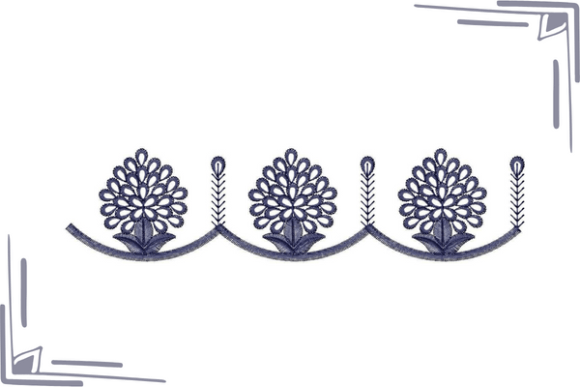
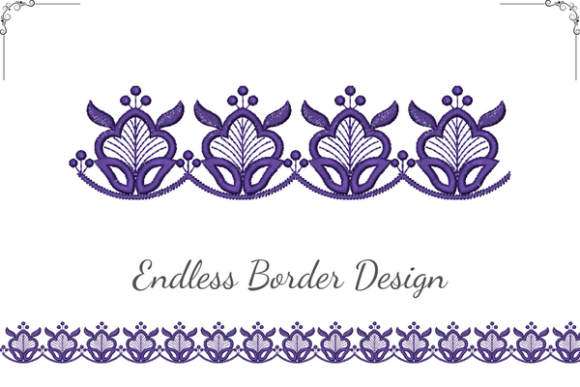
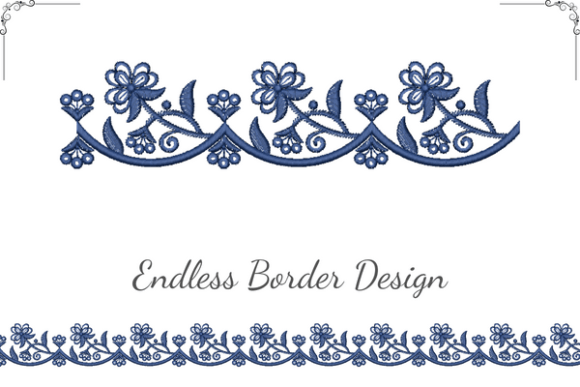
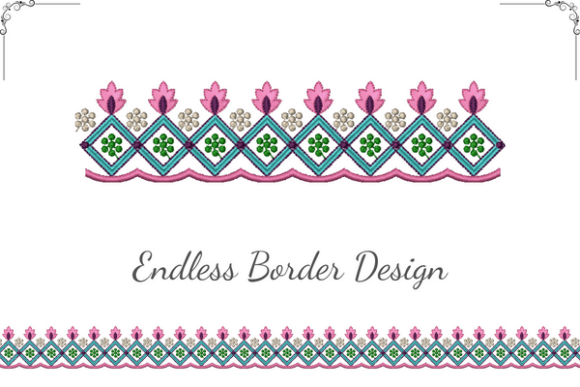
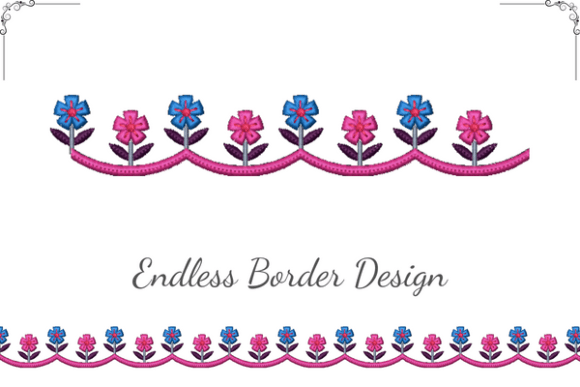
The immediate appeal of Cute Floral Border lies in its approachable charm. It does not try to be overly complex or hyper-realistic. Instead, it offers a stylized, cheerful aesthetic that feels fresh and modern. The layout is balanced, with a rhythm to the floral elements that guides the eye smoothly across the curve or straight line of the border. For Etsy sellers and craft business owners, this visual personality is crucial. It appeals to a broad demographic, from young adults looking for trendy custom apparel to parents seeking sweet baby embroidery for nursery items.
The detail level is moderate, which is a significant advantage. Highly detailed designs often suffer when scaled down, losing definition and becoming muddy. This design maintains its clarity even when resized within reasonable limits. The interplay between the leaves and blooms creates enough negative space to let the fabric breathe, preventing the heavy, cardboard-like feel that plagues poorly digitized embroidery files.
Real-World Application: From Tote Bags to Sweatshirts
To truly test a design, you must take it out of the digital realm and onto fabric. I started with a canvas tote bag design project. Canvas is unforgiving; if a design has poor pull compensation or excessive stitch density, the bag will warp. I applied Cute Floral Border along the bottom hem. The result was crisp. The stitches lay flat, and the border added a professional, boutique touch to what was otherwise a plain utility item. This is exactly the kind of value-add that allows small shop product lines to command higher prices.
Next, I moved to sweatshirt embroidery. Knits are tricky because they stretch. I used a cut-away stabilizer to support the fabric and stitched the border across the chest area. The design held up beautifully. The curves of the floral elements softened the boxy silhouette of the sweatshirt, making it feel more feminine and tailored. This versatility makes it an excellent choice for personalized gift items, where the recipient might expect a high level of finish.
I also tested it on a cotton tea towel for a holiday embroidery collection. Here, the design’s ability to work as a frame became apparent. By placing it along the edge, it created a finished look without requiring a hemmed border. For commercial embroidery projects, such efficiency is vital. Time is money, and a design that looks complete with minimal setup is a valuable asset.
Navigating Fabric Challenges and Hoop Constraints
While Cute Floral Border is robust, it is not magic. There are specific scenarios where caution is required. If you are working with very thin or slippery fabrics, such as silk or lightweight rayon, the fill stitch areas may cause slight puckering if the stabilizer is not perfectly matched. I recommend using a tear-away stabilizer backed with a light fusible interfacing for these delicate materials. This adds just enough body to support the stitches without adding bulk.
Another consideration is the hoop size. While the design is scalable, pushing it to fit a tiny 4x4 hoop for a embroidered patch can compress the details. The smaller the design, the less distinct the individual petals become. If you are creating small items like baby bibs or pocket accents, ensure you preview the design at actual size in your software. Check that the running stitch outlines remain visible and do not merge into the fills.
Dark fabrics present another challenge. If you are stitching this on black navy denim, your thread colors must have high contrast. Pastels may get lost. I suggest doing a test stitch on scrap fabric of the same weight and color before committing to the final finished product. This simple step saves countless hours of unpicking and frustration.
Enhancing Brand Consistency and Customer Trust
For digital product sellers and apparel decorators, consistency is key to building brand trust. Cute Floral Border offers a reliable aesthetic that can become part of your signature style. Whether you are selling design assets or physical goods, using a cohesive set of designs helps customers recognize your work. This border pairs well with other simple, nature-inspired motifs, allowing you to create collections rather than one-off items.
Moreover, the quality of the stitch-out reflects directly on your professionalism. A clean, well-digitized border signals to the buyer that care was taken in the creation process. This perception of quality increases the perceived value of your handmade product. Customers are more likely to leave positive reviews and return for future purchases when the embroidery looks neat, dense, and intentional.
Practical Notes for the Embroidery Designer
Before you integrate Cute Floral Border into your next big launch, keep these practical tips in mind:
- Test on Scraps: Always stitch a sample on the actual fabric you plan to use. Fabric texture affects how threads sit and shine.
- Check Thread Contrast: View your design in black and white mode in your software to ensure the details stand out regardless of color choice.
- Verify Licensing: If you plan to sell items made with this digital embroidery file, confirm the license terms. Most designers allow commercial use for physical items, but restrictions may apply to reselling the file itself.
- Stabilizer Selection: Match your stabilizer to the fabric stretch. Use cut-away for knits and tear-away for wovens.
- Inspect Small Details: Zoom in on the corners of the border. Ensure there are no stray jumps or unnecessary trims that could weaken the structure.
In conclusion, Cute Floral Border is a solid addition to any designer’s library. It bridges the gap between decorative flair and practical usability. Whether you are creating a printable mockup for your online store or stitching a final piece for a client, this design delivers consistent, attractive results. It respects the limitations of the machine while maximizing the beauty of the thread. For those of us in the trade, that is the highest compliment we can give.