Reviewing Floral Cross Stitch Embroidery for Real Projects
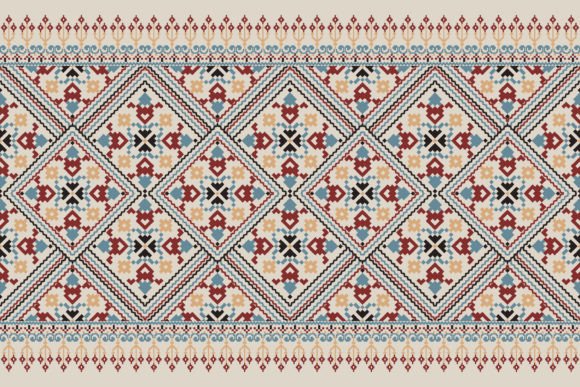
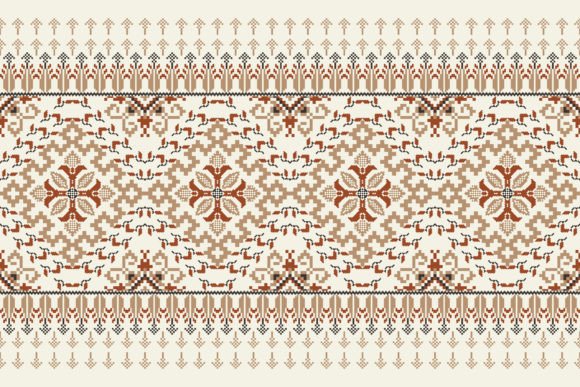
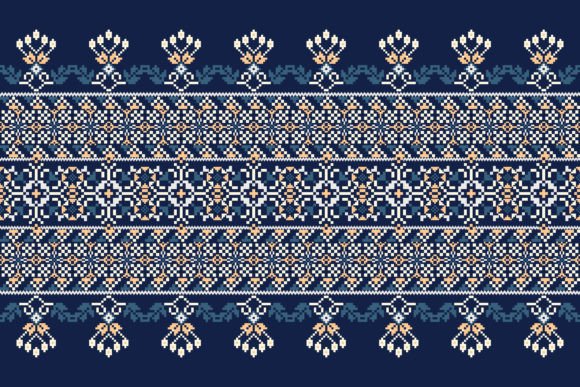
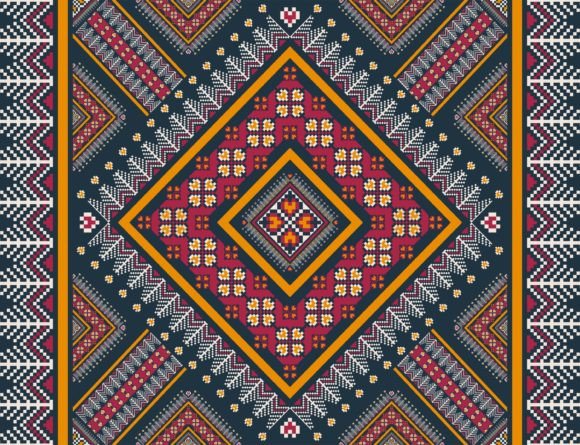
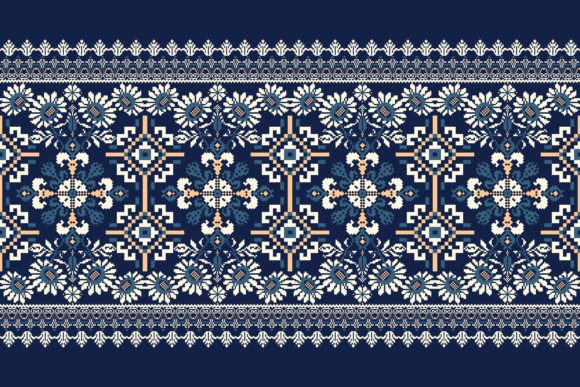
When I first pulled up the Floral Cross Stitch Embroidery file on my screen, I was immediately struck by its distinct visual personality. It is not your typical soft, romantic floral motif. Instead, it presents a bold fusion of geometric ethnic and oriental patterns with an abstract Aztec style. The design sits heavily against a navy blue background in the preview, suggesting a high-contrast aesthetic that demands attention. As an experienced designer who has spent years turning digital assets into tangible goods, I look past the pretty preview to ask the hard questions: How will this stitch out? Will it hold up on a curved surface? Is it suitable for commercial use?
This review is written for embroidery designers, Etsy sellers, and craft entrepreneurs who need practical insight before committing thread and fabric to a project. We are evaluating this as a real-world asset for custom apparel, home decor, and boutique merchandise.
First Impressions and Visual Mood
The immediate mood of this design is structured yet organic. The term "cross stitch" in the title might mislead some into expecting a pixelated, hand-look simulation, but the description hints at a vector illustration adapted for texture and fabric. This suggests clean lines and defined shapes rather than messy, scattered stitches. The geometric nature of the pattern means it relies on symmetry and repetition, which can be visually satisfying but technically demanding if the stitch density is not balanced correctly.
For a designer, the appeal lies in its versatility. It feels traditional enough to fit into a bohemian brand identity but modern enough to work on contemporary streetwear. The abstract elements prevent it from looking dated, while the ethnic influences give it a global, artisanal feel. This is crucial for handmade product sellers who want their items to feel curated and unique rather than mass-produced.
Real-World Application Scenarios
To truly test the viability of any machine embroidery design, I imagine it in specific production scenarios. Here is how I see this design performing in actual projects:
- Custom Apparel: This design would shine on a heavyweight cotton sweatshirt. The bold geometric lines would stand out against the fleece texture, creating a striking sweatshirt embroidery piece that appeals to younger demographics looking for unique, non-generic graphics.
- Tote Bags and Home Decor: Imagine this stitched onto a natural canvas tote bag. The contrast between the raw fabric and the intricate, colorful pattern would create a high-value tote bag design. It could also work beautifully on pillow covers, where the flat surface allows the geometric precision to remain undistorted.
- Boutique Branding: For small shop owners, this could serve as a signature element on aprons or packaging tags. It communicates craftsmanship and attention to detail, enhancing brand consistency.
However, context is everything. While it works well on flat, stable surfaces, I would hesitate to use this on a fitted cap without significant testing. The rigid geometric structure might distort on the curved crown of a hat, breaking the visual continuity of the Aztec-style pattern.
Technical Considerations for Stitching
From a technical standpoint, there are several factors to consider before loading this embroidery file into your machine. The description mentions it is designed for texture and fabric, which implies it may utilize a mix of stitch types. You should expect a combination of fill stitch for the larger geometric blocks and potentially satin stitch or running stitch for the finer details and borders.
Stitch density is a critical concern here. Geometric patterns with sharp corners can sometimes pull fabric if the density is too high. If you are stitching on a thin or stretchy fabric, such as a lightweight t-shirt or baby clothes, you must use an appropriate stabilizer. A cut-away stabilizer might be necessary to prevent the design from puckering over time, especially if the finished product will be washed frequently.
Additionally, the color palette plays a huge role. The preview shows a navy blue background, which is an excellent choice for making bright thread colors pop. If you plan to stitch this on light fabric, ensure your thread colors have enough contrast. Muddy or low-contrast threads will cause the intricate geometric details to get lost, reducing the professional look of the finished product.
Where to Use Caution
Not every project is a good fit for this design. Here are situations where I would advise caution:
- Small Hoop Sizes: If the design is large, scaling it down to fit a 4x4 hoop might compromise the clarity of the small geometric details. Always check the dimensions before purchasing.
- Textured Fabrics: While the design is meant for texture, highly textured fabrics like thick wool or terry cloth might obscure the fine lines of the abstract pattern.
- Dense Stitch Areas: If the design has large solid blocks of color, it may become stiff. This is less ideal for items that need to remain soft, such as baby blankets or scarves.
Practical Designer Notes
Before you commit to a full production run or list this as a digital embroidery file in your store, follow these practical steps:
First, always test the design on scrap fabric that matches your final material. This allows you to check for thread breaks, nesting issues, and overall stitch quality. Second, review the design in black and white on your computer screen. This helps you identify if the contrast is sufficient without relying on color. Third, confirm the licensing terms. As an Etsy seller or craft business owner, you need to know if you can sell the finished product commercially. The description does not specify license terms, so you must verify this with the creator before using it for commercial embroidery projects.
Finally, consider the presentation. When creating printable mockup images for your online store, show the design on various backgrounds. Demonstrate its versatility on both dark and light fabrics to attract a wider range of buyers. High-quality photos that highlight the texture and stitch definition will build customer trust and increase engagement.
Final Verdict
Floral Cross Stitch Embroidery is a compelling asset for designers who want to move beyond standard floral motifs. Its geometric, ethnic, and abstract qualities offer a fresh take on traditional patterns, making it suitable for a wide range of embroidery project types, from apparel to home decor. However, its success depends on careful technical execution. By paying attention to stabilizer choice, thread contrast, and fabric suitability, you can transform this digital graphic into a high-value handmade item that resonates with customers. Whether you are creating personalized gifts or building a boutique brand, this design has the potential to elevate your product line if used with intention and skill.