Floral Bunny: A Designer’s Review for Personalized Gifts
As an embroidery designer who spends countless hours digitizing and testing patterns, I approach every new machine embroidery design with a critical eye. It is not just about whether the pattern looks good on a screen; it is about how it performs in the hoop, how it wears after washing, and most importantly, how it resonates with the end customer. Recently, I had the opportunity to test Floral Bunny, a charming design intended for Easter and spring-themed creations. My goal was to determine if this pattern holds up as a viable option for personalized gift products in a small business setting.
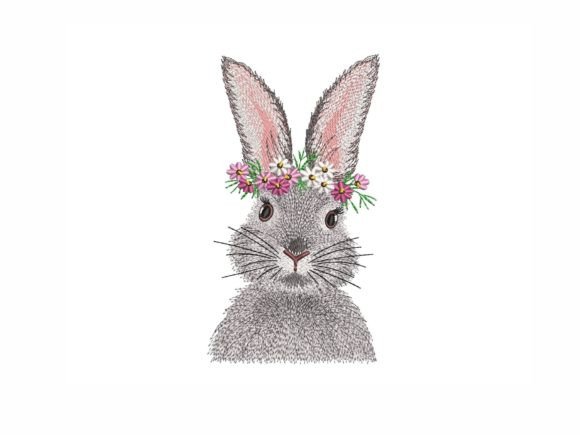
The first impression of Floral Bunny is undeniably sweet. It captures a playful yet elegant mood that feels both seasonal and timeless. The integration of floral elements with the bunny silhouette adds a layer of sophistication that elevates it beyond a standard cartoonish clipart style. For makers targeting the baby market or those creating nursery decor, this balance is crucial. It feels handmade and warm, invoking a sense of nostalgia and comfort. When I loaded the embroidery file into my software, the stitch paths appeared logical, suggesting a thoughtful digitization process that prioritizes clean finishes over excessive density.
Real-World Application for Gift Shops and Etsy Sellers
For Etsy sellers and owners of small handmade shops, versatility is key. You need designs that can adapt to various products without losing their charm. I imagined several scenarios where Floral Bunny could shine as a centerpiece for a personalized gift. One immediate idea was a custom baby blanket. Imagine this design stitched in soft pastels on a minky or cotton blend. The floral accents allow for creative thread color choices, enabling you to match specific nursery themes or gender reveal parties. This type of baby embroidery sells well because it feels intimate and specially curated for the recipient.
Beyond baby items, consider the potential for kitchen textiles. An embroidered towel featuring this bunny makes for a delightful housewarming present or a unique Easter basket filler. The design’s composition works well on the corner of a tea towel or centered on a flour sack towel. However, when working with textured fabrics like terry cloth or waffle weave, one must be mindful of the fabric texture. The delicate details of the flowers might get lost if the fabric pile is too high. In such cases, using a cut-away stabilizer and possibly a topping can help the stitches sit cleanly on the surface.
Another lucrative avenue is apparel and accessories. Stitching Floral Bunny onto a tote bag or a child’s denim jacket creates a standout handmade product. For wedding gifts, while bunnies are not traditional, the floral aspect allows this design to bridge the gap for spring weddings or bridal showers. It could be embroidered on a pillow cover for the couple’s new home, symbolizing new beginnings and growth. The emotional connection here is strong; customers are not just buying a stitched item, they are buying a feeling of warmth and care.
Navigating Technical Challenges and Fabric Choices
While the aesthetic appeal is high, practical application requires careful planning. As a professional, I always advise checking the stitch density before running a full production batch. If the design is too dense for lightweight fabrics, it can cause puckering, which ruins the perceived quality of the finished product. Conversely, if the density is too low for thick materials like hoodies or canvas bags, the backing fabric might show through, making the design look sparse.
One area where caution is needed is with small lettering or intricate details. If you plan to combine Floral Bunny with personalized names, ensure the font size is large enough to be legible after stitching. Small serifs or thin lines can break or merge during the embroidery process, especially on stretchy baby clothes or curved surfaces like cap sleeves. Always test on scrap fabric first. This step is non-negotiable for maintaining customer trust. A single failed stitch on a customer’s expensive linen shirt can damage your reputation as a reliable small shop product creator.
Color contrast is another critical factor. On dark fabrics, the lighter threads used for the bunny’s face or flower petals will pop beautifully, but you must ensure the underlay stitches are sufficient to prevent the dark fabric from dominating the design. Creating a printable mockup or digital preview for your online store should reflect these realities. Show customers how the design looks on both light and dark backgrounds to manage expectations and reduce return requests.
Enhancing Perceived Value and Customer Engagement
The right design can significantly boost the perceived value of your items. Floral Bunny has a commercial appeal that suggests higher quality than generic, mass-produced prints. When customers see a well-executed custom embroidery piece, they associate it with labor, skill, and attention to detail. This justifies a higher price point and fosters buyer engagement. People love to share photos of unique, cute items on social media, which provides free marketing for your brand.
To maximize this effect, focus on presentation. Photograph the embroidered item in natural light, highlighting the texture of the threads and the softness of the fabric. Mention the quality of the thread colors used—whether they are rayon for sheen or polyester for durability. For items that need frequent washing, such as baby burp cloths or kitchen towels, emphasize the durability of your stitching. This reassures buyers that their wedding gift or heirloom piece will last.
Essential Pre-Production Checklist
Before adding Floral Bunny to your catalog, run through this practical checklist to ensure success:
- Verify File Details: Since specific technical data like exact stitch count or recommended hoop size was not explicitly detailed in the initial description, always check the included read-me file or contact the designer. Knowing the dimensions is vital for positioning the design correctly on smaller items like socks or larger items like wall art.
- Check Licensing: Confirm the terms for commercial embroidery. Ensure you have the right to sell finished products made with this digital embroidery file. Most designers allow this, but some restrict the number of units or require attribution.
- Test Stabilizers: Experiment with different stabilizers based on your fabric. Cut-away is generally safer for stretchy knits, while tear-away might suffice for stable woven cottons.
- Review Small Details: After stitching a test sample, inspect the small floral elements. Are they crisp? Do any threads pull? Adjust tension settings if necessary.
- Consider Seasonality: While labeled for Easter, the floral theme makes it suitable for spring birthdays and baby showers year-round. Market it accordingly to extend its sales lifecycle.
In conclusion, Floral Bunny is a promising addition to any embroidery designer’s library. Its blend of cuteness and elegance makes it versatile for a wide range of personalized gifts, from baby blankets to decorative pillows. By paying attention to technical details like stabilizer choice, fabric texture, and stitch density, you can transform this digital file into a high-value physical product. For the conscientious maker, this design offers a wonderful opportunity to create meaningful, beautiful items that customers will cherish. Remember, the difference between a good product and a great one often lies in the testing phase, so take the time to perfect your technique before launching your new collection.