Daisy Flower: A Practical Review for Embroidery Projects
As a designer who has spent years digitizing and stitching thousands of motifs, I have developed a keen eye for what works in the real world versus what only looks good on a screen. When I first loaded the Daisy Flower design into my software, I was looking for more than just aesthetic appeal. I wanted to know if this single floral motif could hold its own in a commercial setting. Would it survive the wash? Would it look professional on a curved cap? Could it elevate a simple tote bag into a boutique-worthy item? After putting this design through its paces on various fabrics and hoop sizes, I am ready to share my honest assessment for fellow embroidery designers, Etsy sellers, and craft entrepreneurs.
First Impressions and Visual Personality
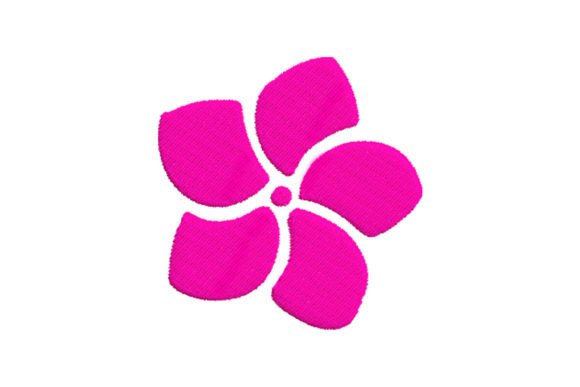
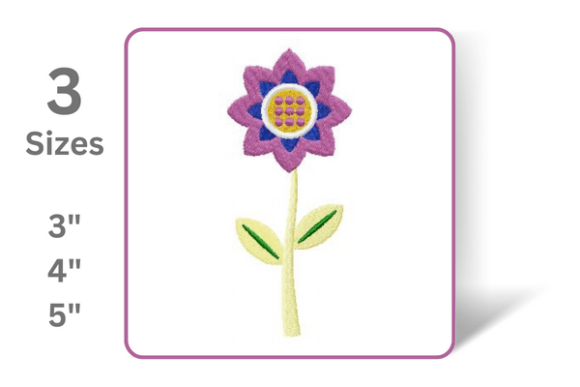
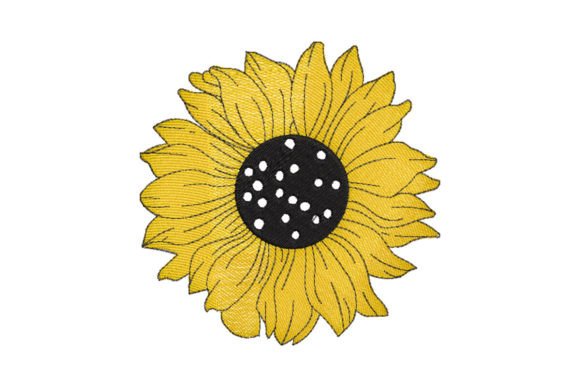
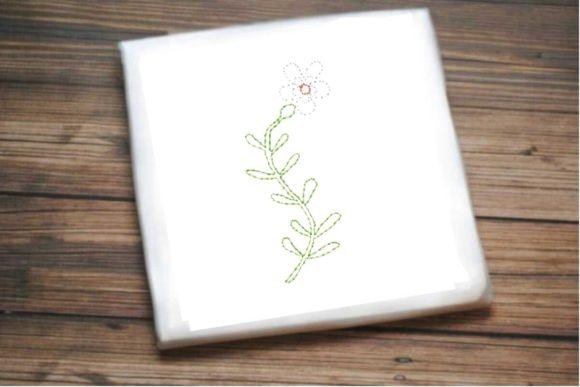
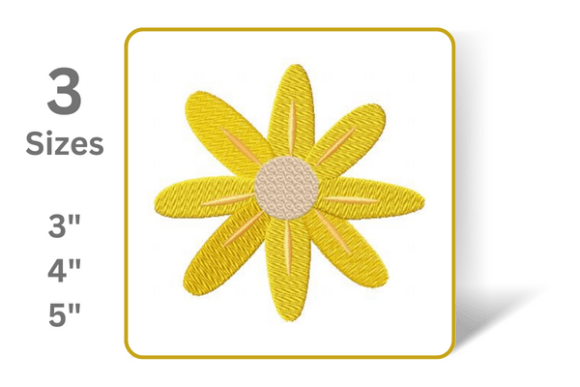
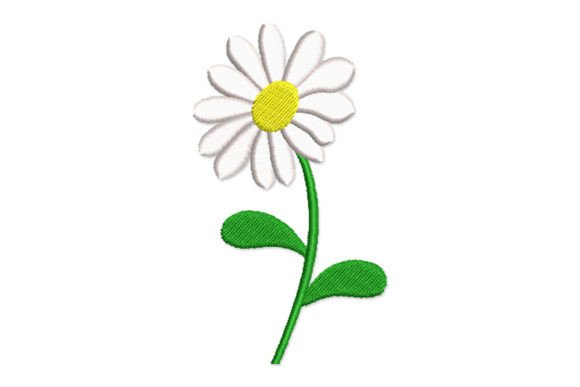
The initial visual impact of Daisy Flower is one of understated elegance. It does not scream for attention with excessive complexity or overwhelming density. Instead, it offers a timeless charm that fits seamlessly into the current trend of minimalist and botanical-inspired decor. The exquisite petals and delicate details mentioned in the product description are immediately apparent, but what matters more to us as practitioners is how those details translate to thread.
The layout feels balanced, avoiding the common pitfall of asymmetrical weight that can cause puckering on lighter fabrics. For those of us selling handmade products, this balance is crucial. A well-balanced embroidery file reduces the risk of distortion, ensuring that your finished product looks crisp and professional. The mood it creates is fresh and inviting, making it an ideal candidate for spring collections, baby showers, or bridal gifts where subtlety is preferred over flashiness.
Real-World Application: From Tote Bags to Sweatshirts
To truly test the versatility of this design, I applied it to several common items found in small shop inventories. First, I stitched it onto a canvas tote bag. The Daisy Flower performed exceptionally well here. The open spaces between the petals allowed the texture of the canvas to show through slightly, creating a nice interplay between the thread and the fabric. This is a key consideration for any tote bag design; if the stitch density is too high, the bag becomes stiff and unappealing. This design strikes a good balance, maintaining flexibility while providing clear visual definition.
Next, I moved to apparel, specifically a heavyweight cotton sweatshirt. Sweatshirt embroidery can be tricky due to the plush texture of the fabric. I found that using a cut-away stabilizer was essential to prevent the design from sinking into the fleece. Once stabilized properly, the daisy popped beautifully against the dark fabric. The contrast between the bright thread colors and the deep background highlighted the delicate details without losing clarity. This makes it a strong contender for custom apparel lines where brand consistency and visual appeal are paramount.
I also tested it on a baby onesie. For baby embroidery, softness is non-negotiable. I used a soft tear-away stabilizer and ensured the backing was trimmed close to the stitches. The result was a gentle, tactile design that did not irritate sensitive skin. Parents looking for personalized gifts often seek designs that are cute but not childish, and this floral motif fits that brief perfectly.
Navigating Challenges: Fabric and Hoop Constraints
While Daisy Flower is versatile, it is not without its limitations. As an experienced reviewer, I must point out where caution is needed. When working with thin or stretchy fabrics, such as jersey knits or silk, the delicate nature of the petals requires careful handling. If the stitch density is not optimized for these materials, you risk pulling or distortion. I recommend always testing the design on scrap fabric first, especially if you are new to working with challenging textiles.
Curved surfaces present another challenge. I attempted to stitch this design on the front panel of a structured cap. While it fit within the standard hoop size, the curvature caused slight shadowing on one side of the petals. This is not a flaw in the design itself but a reminder that placement is critical. For caps, I suggest positioning the design slightly off-center or choosing a flatter area of the panel to ensure the satins stitch and fill areas lay flat and reflect light evenly.
Additionally, when using dark fabrics, thread color contrast becomes vital. A white daisy on black fabric looks stunning, but if you choose low-contrast colors, the delicate details may get lost. Always preview your thread colors in a digital mockup before stitching. Checking the design in black and white can also help you identify if the structural integrity of the petals holds up without the aid of color differentiation.
Commercial Value and Brand Consistency
For Etsy sellers and small business owners, the value of a design lies in its ability to enhance brand perception. Daisy Flower contributes to a sense of professionalism and care. It is not a generic clipart-style image; it has the nuance of a custom-digitized piece. This level of quality builds customer trust. When buyers see clean edges, consistent stitch direction, and thoughtful composition, they perceive higher value in the handmade product.
This design also works well for seasonal promotions. It can easily be adapted for holiday embroidery by changing thread colors to match specific themes, such as pastels for Easter or warm tones for autumn. Its adaptability makes it a cost-effective asset for your library of design assets. You can use it across multiple product lines, from kitchen towels to pillow covers, maintaining a cohesive look that strengthens your brand identity.
Practical Notes for Designers and Makers
Before you integrate Daisy Flower into your next project, keep these practical tips in mind:
- Check Licensing: Always confirm the license terms provided with the digital embroidery file. Ensure you have the right to use it for commercial purposes if you plan to sell finished items.
- Stabilizer Selection: Match your stabilizer to your fabric. Use cut-away for stretchy fabrics and tear-away for woven materials to ensure the best finish.
- Test Stitching: Never skip the test stitch on scrap fabric. This allows you to check for thread breaks, tension issues, and overall appearance before committing to your final product.
- Hoop Size Verification: Confirm that the design fits comfortably within your machine’s hoop size, leaving enough margin for proper hooping and stabilization.
- Thread Quality: Use high-quality embroidery thread to prevent fraying and ensure vibrant color retention, especially for items that will be washed frequently.
In conclusion, Daisy Flower is a reliable and elegant addition to any embroidery designer’s toolkit. It bridges the gap between artistic beauty and practical functionality, making it suitable for a wide range of applications from custom apparel to home decor. By understanding its strengths and respecting its limitations, you can create stunning, high-quality products that resonate with customers and stand the test of time. Whether you are a hobbyist looking to personalize a gift or a seasoned entrepreneur expanding your inventory, this design offers the clarity and charm needed to succeed in the competitive world of handmade goods.