Cross-Stitch Pattern 14: A Designer’s Review for Merch
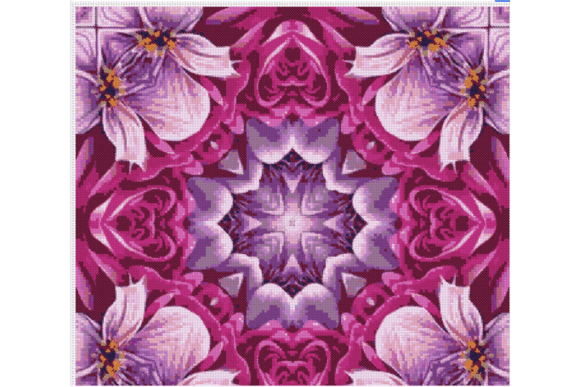
As an embroidery designer who has spent years digitizing files for small businesses, I approach every new machine embroidery design with a critical eye. It is not enough for a graphic to look pretty on a screen; it must perform under the needle. Today, I am reviewing Cross-Stitch Pattern 14, a digital asset that promises to immerse users in a world where intricate stitches weave together to form a tapestry of vibrant blooms. For boutique owners, café operators, and handmade brands, this review focuses on whether this pattern can elevate your brand identity through tangible products.
First Impressions: Visual Personality and Market Fit
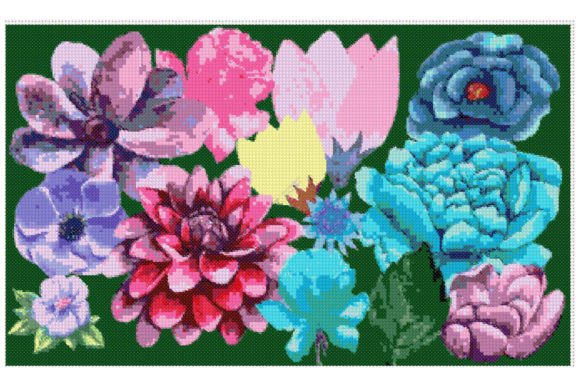
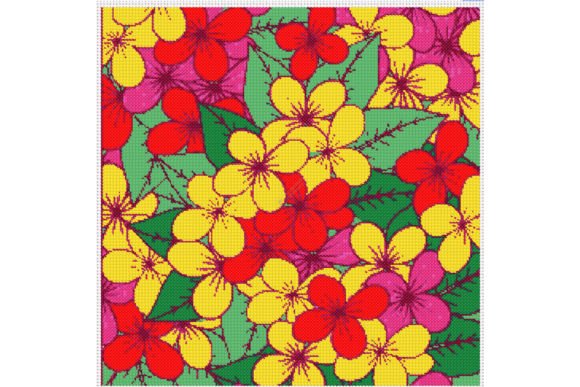
The description of Cross-Stitch Pattern 14 highlights a "captivating pattern" and "vibrant blo" (likely blooms). From a design perspective, this suggests a aesthetic that leans heavily into the rustic, handmade, and organic categories. For modern consumers, there is a growing demand for authenticity. A design that mimics traditional cross-stitch offers a nostalgic yet trendy appeal. It feels friendly and approachable, making it ideal for businesses that want to project warmth rather than corporate stiffness. Think local bakeries, florists, pet groomers, or independent bookshops. The visual language here is not about sharp, industrial precision but about the charm of the handcrafted look, even when produced via commercial embroidery machines.
Real-World Applications for Small Business Merch
When considering small business merch, versatility is key. Here is how I envision Cross-Stitch Pattern 14 performing across various product lines:
- Embroidered Patches: This is perhaps the strongest use case. A patch allows you to apply the design to multiple items without re-digitizing for every garment. Imagine a floral cross-stitch patch on a denim jacket or a canvas tote. It adds texture and perceived value.
- Apron Embroidery: For cafés and craft studios, staff aprons are walking billboards. Placing this pattern on the chest pocket or lower hem of a heavy cotton apron creates a cohesive, artisanal uniform look.
- Tote Bag Design: Canvas bags are staples for retail shops. The "tapestry" effect mentioned in the product description would translate beautifully to the coarse weave of canvas, enhancing the natural fiber aesthetic.
- Cap Embroidery: Use caution here. While possible, complex cross-stitch patterns can lose definition on the curved front panel of a baseball cap. It works best as a small side accent rather than a large front logo.
- Product Packaging Accents: If you sell handmade goods, consider sewing a small version of this design onto muslin drawstring bags or attaching it as a branded tag.
Technical Considerations and Production Challenges
While the artistic merit of Cross-Stitch Pattern 14 is clear, the technical execution requires careful planning. Cross-stitch styles in digital formats often rely on specific fill techniques to mimic the X-shaped stitch. Here are the critical factors to evaluate before running a production batch:
Stitch Density and Fabric Texture
The term "intricate stitches" in the description raises a flag regarding stitch density. High-density designs can cause puckering, especially on lightweight fabrics like t-shirts or silk blends. If you plan to use this on delicate materials, you must test extensively. Conversely, on heavy fabrics like denim or canvas tote bags, the density might be perfect, providing a solid, premium feel. Always match the fabric texture to the design weight. A dense floral pattern may overwhelm a thin jersey knit but look magnificent on a structured twill.
Hoop Size and Scaling
Before purchasing, verify the available hoop size options. Does the digital embroidery file come in multiple sizes? If you intend to use this for small chest logos, ensure the design retains its integrity when scaled down. Intricate details can merge into a blob if reduced too much. I recommend creating a printable mockup at actual size to check readability. If the "vibrant blooms" become indistinguishable shapes at 2 inches wide, the design is better suited for larger applications like back-of-shirt prints or tote bags.
Thread Colors and Contrast
Cross-stitch aesthetics rely heavily on color blocking. Review the recommended thread colors carefully. Does the design require too many color changes? Each stop increases production time and labor cost. For a small business, efficiency matters. If Cross-Stitch Pattern 14 requires ten different thread shades, consider simplifying the palette for bulk orders. Also, test the design in black and white first. If the contrast holds up without color, the design has strong structural integrity. If it disappears, it relies too much on hue rather than form.
Enhancing Brand Identity and Customer Trust
Using a distinctive design like Cross-Stitch Pattern 14 contributes significantly to brand identity. In a market saturated with generic clipart, a well-executed embroidered element signals quality. It tells the customer that you care about the details. When a client receives a tote bag or apron with this textured, tapestry-like finish, it elevates the perceived value of the finished product. It transforms a simple item into a keepsake. This emotional connection drives customer loyalty and encourages social sharing, which is vital for Etsy sellers and local boutiques.
Practical Designer Notes for Implementation
To ensure success with this Graphics asset, follow these steps before full-scale production:
- Check Licensing: Confirm that the purchase includes commercial rights. You need to know if you can sell items made with this embroidery file or if it is for personal use only. This is non-negotiable for business use.
- Test on Real Fabric: Do not rely solely on screen previews. Stitch out the design on the exact material you plan to sell. Check for pull-outs, nesting, or thread breaks.
- Use Proper Stabilizer: Given the potential density, use a cut-away stabilizer for stretchy fabrics and tear-away for stable wovens. This ensures the design remains flat and professional.
- Compare with Other Assets: Place Cross-Stitch Pattern 14 next to your existing logo and marketing materials. Does it complement your visual style? Consistency builds recognition.
- Inspect Spacing: Look closely at the digitizing. Are the "X" stitches uniform? Is there adequate spacing between elements to prevent thread buildup?
In conclusion, Cross-Stitch Pattern 14 offers a compelling option for businesses seeking to add a touch of artisanal charm to their merchandise. It fits well within the niche of custom apparel and handmade accessories. However, its success depends on thoughtful application. By respecting the technical limits of embroidery and aligning the design with your brand’s voice, you can create products that resonate with customers. Whether used for an embroidered patch or a signature apron detail, this pattern has the potential to weave a stronger connection between your brand and your community. Always prioritize testing and quality control to ensure that every stitch reflects the professionalism your business stands for.